

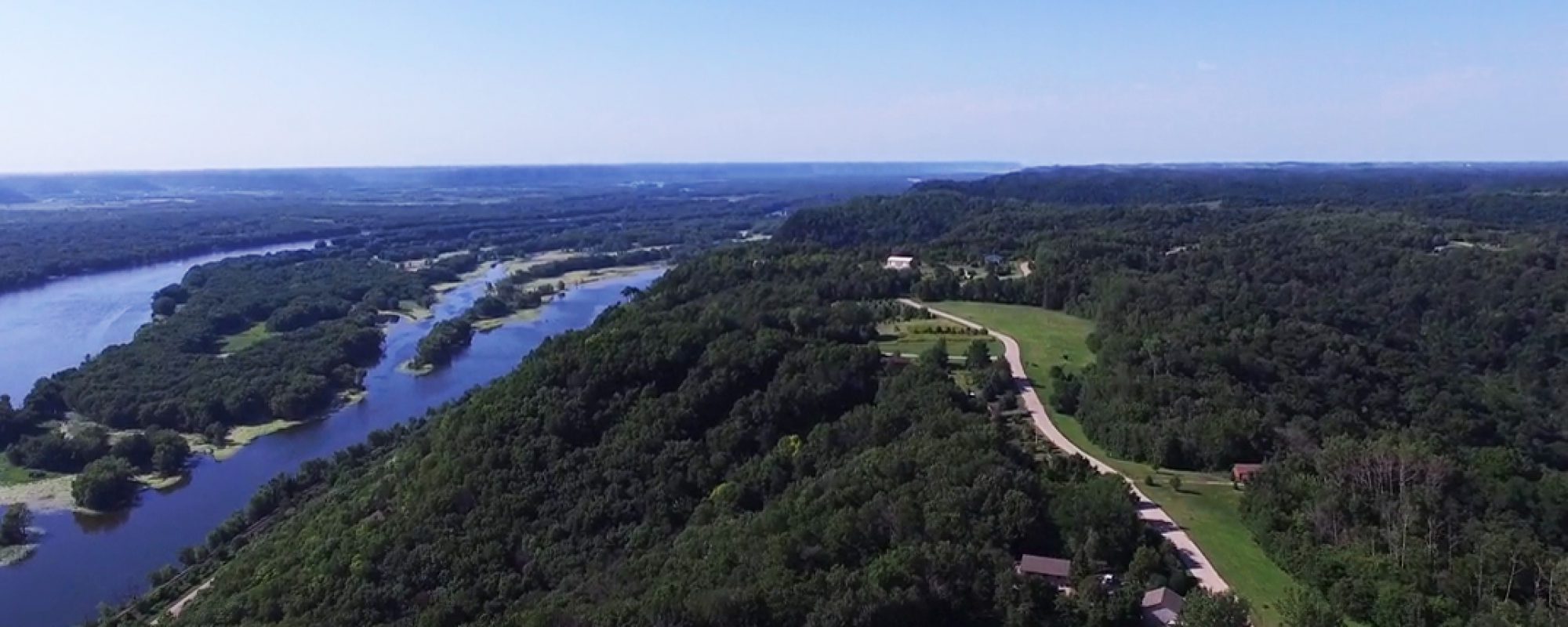
De Soto is a village on the banks of the Mississippi River. Located on the Great River Road, it was originally part of the Northwest Territory that was the home of the Winnebago (Ho-Chunk) Indians.
For many years, De Soto was locally known as “Winneshiek’s Landing,” from the Ho-Chunk tribal chief by that name, who came to trade his furs for supplies with French traders . Two French families by the name of Godfrey had located here before the Black Hawk War.
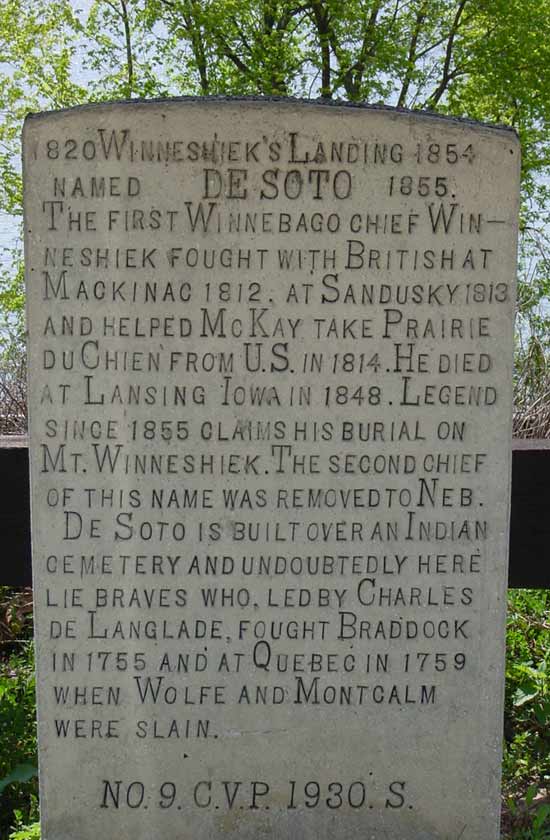
They were persuaded to establish the trading post through the efforts of Col. Hercules Dousman of Prairie du Chien. During the period, from 1820 to 1854, the village was known mainly as a fur trading post situated in what was then Bad Axe County.
The fur trade played a crucial role in shaping the local economy and culture during that time. The settlement, surrounded by lush forests and abundant wildlife, became a gathering place where fur trappers and traders exchanged goods and stories. It was a hub of activity, bustling with the comings and goings of people from various backgrounds, each with their own hopes and dreams, converging in pursuit of opportunity.

In 1837, the Ho-Chunk tribe faced significant challenges as they were compelled to cede much of their ancestral land east of the Mississippi River in a treaty with the United States. This heartbreaking event had a profound impact on the tribe, disrupting their way of life and forcing them to adapt to a new reality.
Following the land loss, the Ho-Chunk people sought to rebuild their lives amidst the ever-changing landscape.
The year 1840 marked a new chapter in the development of the village when Moses M. Strong laid the foundations of what would become a thriving pioneer community. With a vision for growth and progress, Strong meticulously crafted the original plat of the village, setting the stage for its future prosperity.
However, it was Dr. Euclid B. Houghton who recognized the untapped potential of this land and saw an opportunity to contribute to the village’s development. Intrigued by the allure of the area, Houghton decided to acquire the plat of land from Strong. His acquisition would prove to be a pivotal moment that would shape the village’s future.

Meanwhile, Dr. Euclid Houghton’s store, established as the village’s first commercial establishment, played a vital role in facilitating local commerce and meeting the needs of the growing population. It became a bustling hub where residents could find essential goods and services. This store quickly became the heart of the village, attracting visitors and serving as a gathering place for locals.
Dr. Houghton, a visionary in his own right, possessed a deep understanding of the economic and social dynamics needed for a prosperous community. With determination, he embarked on a journey to transform the village into a vibrant center of activity, where the settlers could live, work, and thrive.
Under Dr. Houghton’s guidance, the village experienced a period of rapid growth and development. New businesses sprang up, attracting more settlers who sought opportunities and a better way of life. The once modest village gradually evolved into a bustling and prosperous community, thanks to the collective efforts of its residents and the visionary leadership of Dr. Houghton.

The legacy of Moses M. Strong and Dr. Euclid B. Houghton lives on in the village they helped establish. Their commitment and dedication laid the foundation for its growth, and their contributions continue to shape the spirit and character of the community to this day.
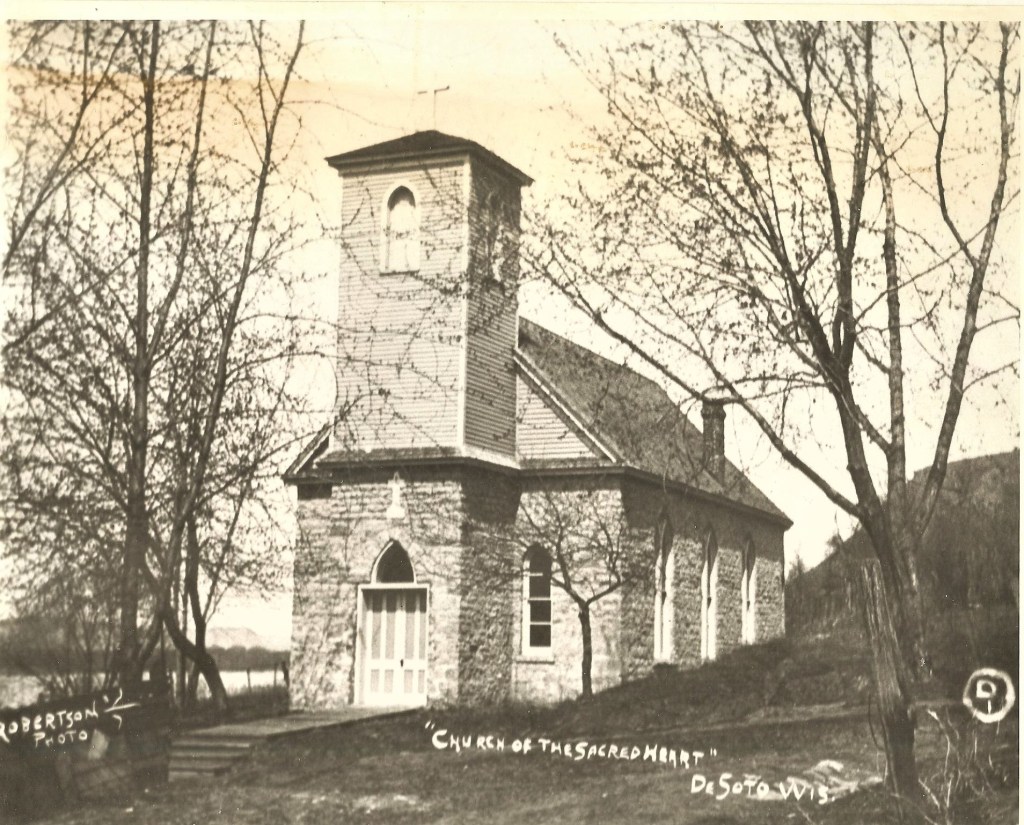
After the initial development by Dr. Simeon D. Powers, Dr. Houghton, and Dr. James Osgood in 1854, the village began to thrive. It was a remarkable achievement considering its humble beginnings. Dr. Osgood’s house, which was completed in 1884, became a focal point of the community, serving not only as a residence but also as a symbol of the village’s growth. Over time, Charles Lyttle took up residence in this historic home, further adding to its significance.
The early settlers were dissatisfied with the name “Winneshiek Landing” and eventually chose the rather unlikely name of “De Soto” after Hernando De Soto, who is credited with discovering the southern portion of the Mississippi River although he was never known to have come as far north as the Driftless region.
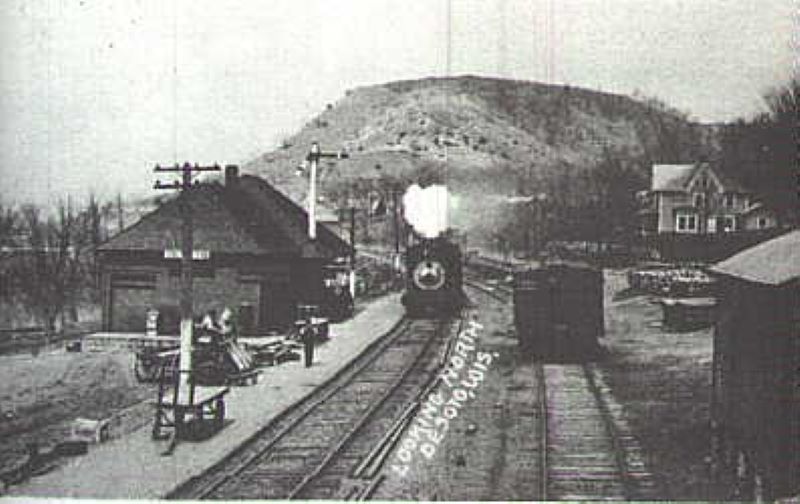
The town prospered as a hub for shipping grain and lumber, with various businesses and establishments such as hotels, breweries, sawmills, and general stores.

Today, as we reflect on the history of De Soto, it serves as a reminder of the resilience of the Ho-Chunk people, who have persevered and continued to thrive despite the hardships they endured. The trading post, transformed into a vibrant community, stood as a testament to the strength and tenacity of its pioneering inhabitants while paying homage to the rich tapestry of Native American culture that have shaped the region.


Additional Information
History of the Driftless Area
Facts About the Driftless Area
Chief Black Hawk and the War of 1832
History of the village of De Soto
Vernon County Historical Society
History of the Town of Wheatland
Historical Photographs provided by Jean Sandry
 Good Times on the Big River